Social Survey to Assess Humanitarian Needs in the Biali Camp, Kryandungo District, Uganda
● Camp Information:
1/ Food and Eating:
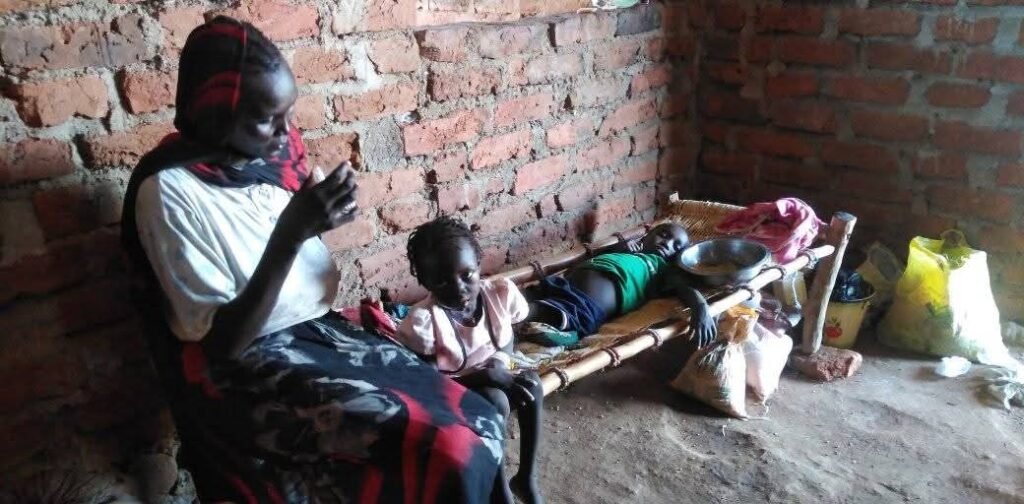
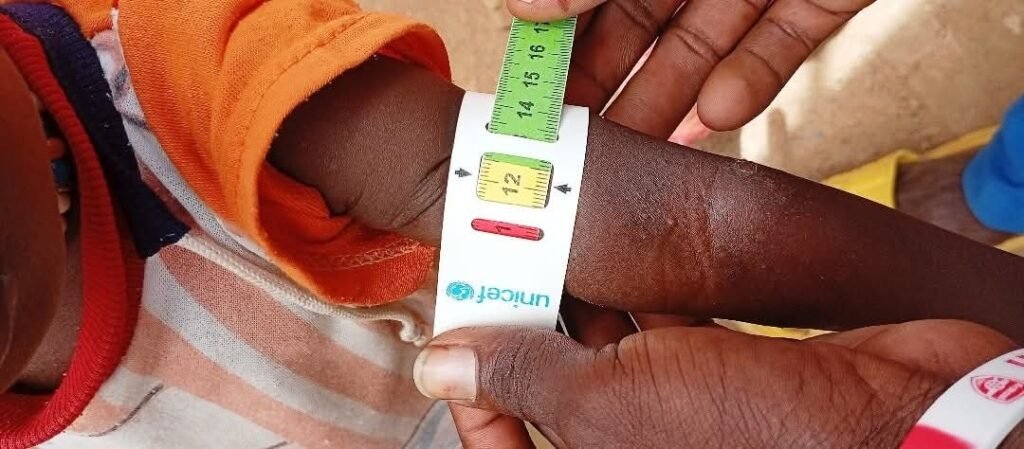
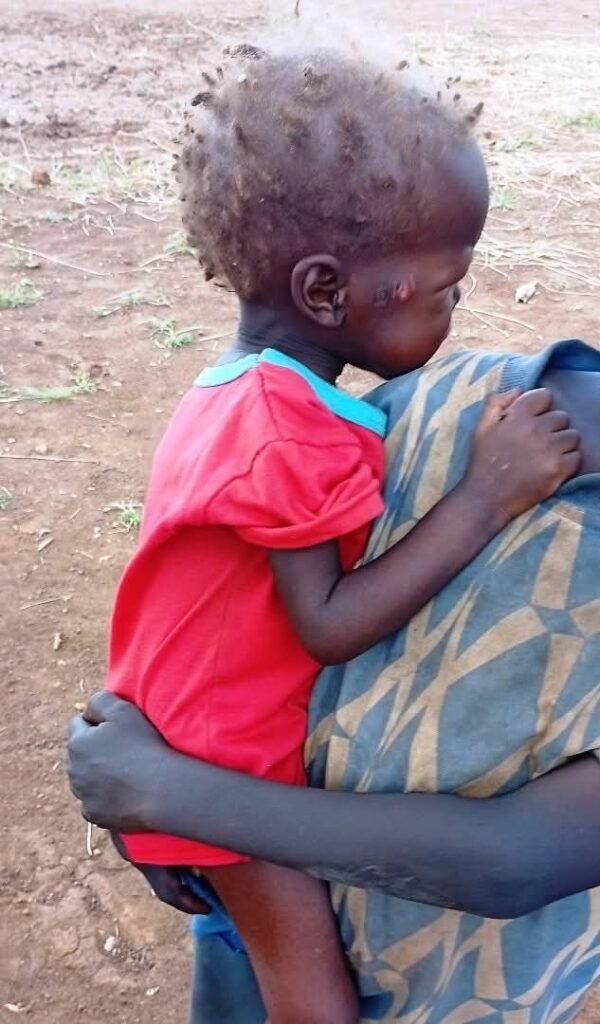
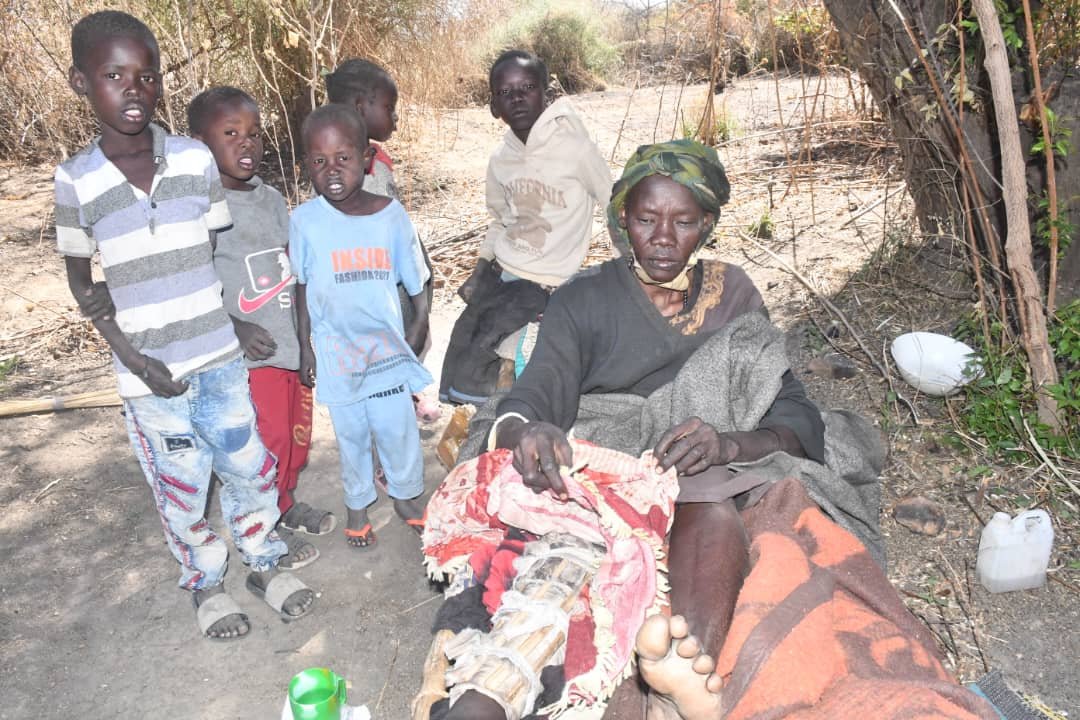
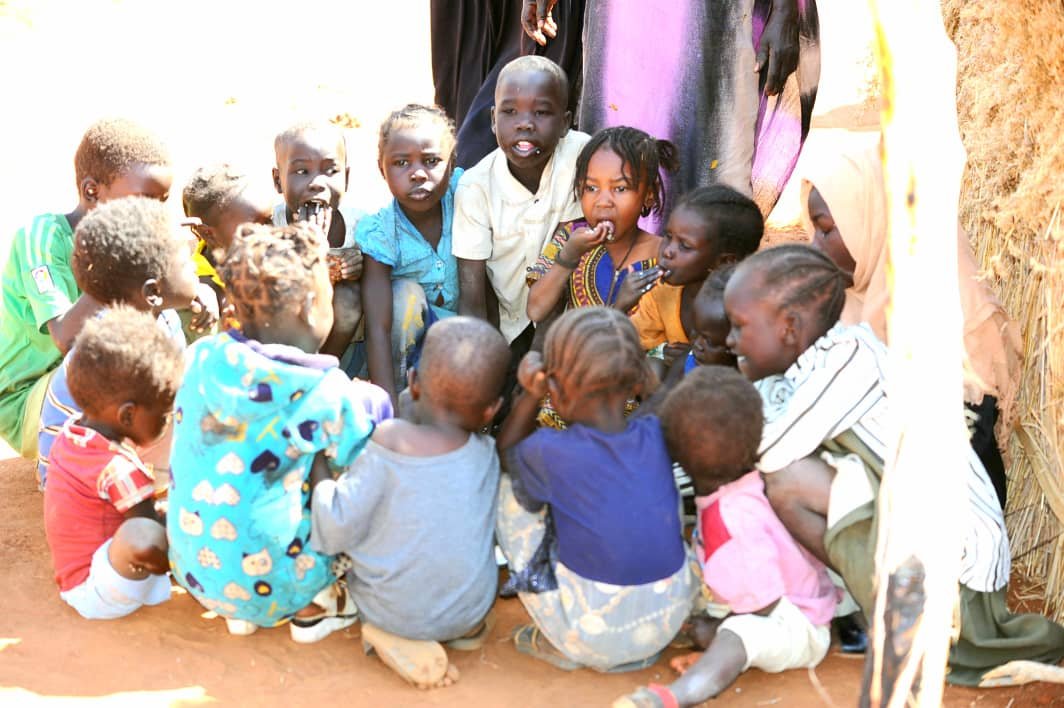
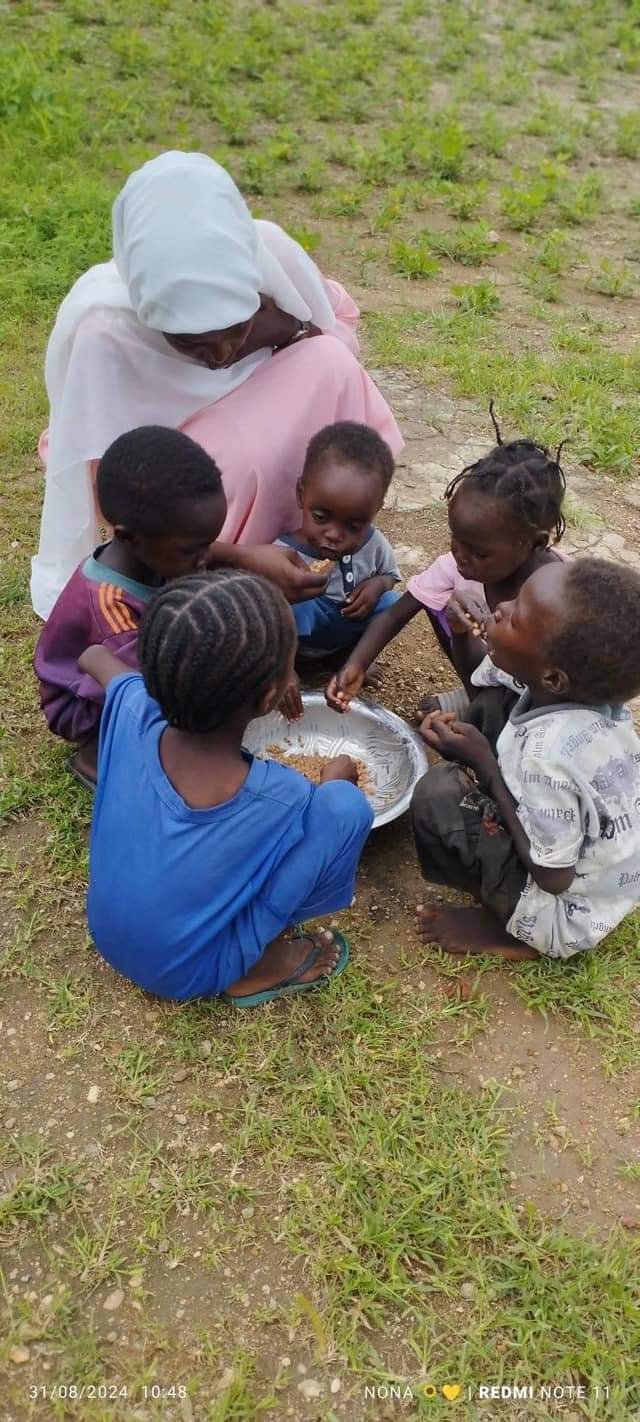
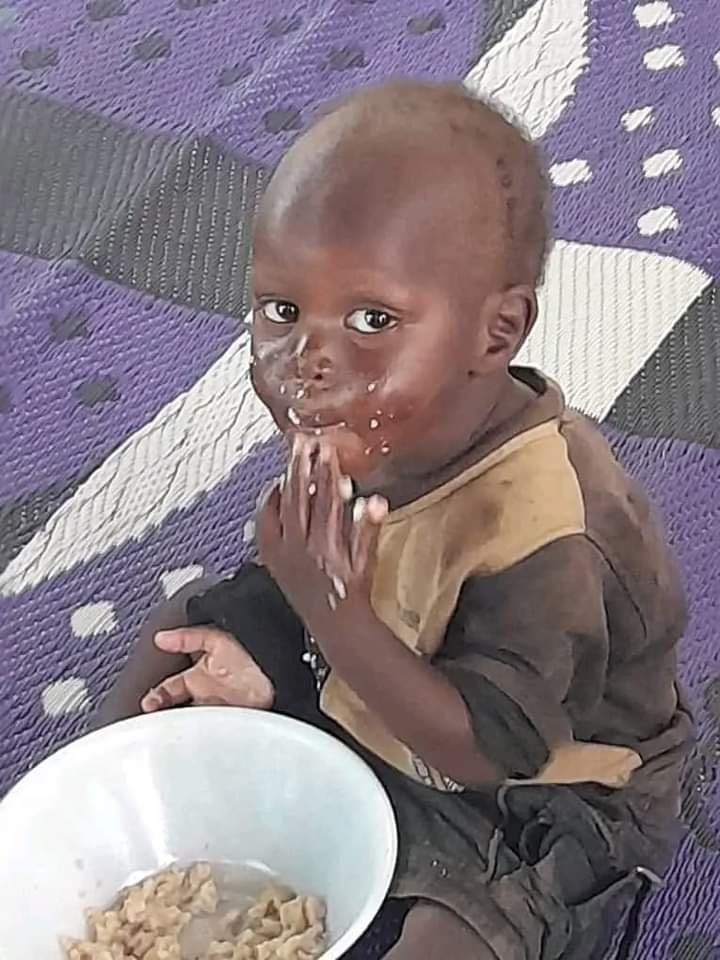
The camp suffers from food scarcity and inadequate monthly food distribution by the UNHCR. The food provided is insufficient to meet the needs of families. Some voluntary organizations distribute food bags sporadically. Refugees rely on charcoal and firewood for cooking. There are communal kitchens that distribute ready-made meals, especially for children and women, due to the high rates of hunger, general weakness, and malnutrition among children. These 15 communal kitchens have ceased operations due to a lack of funding and the necessary resources to purchase cooking supplies such as oil, flour, lentils, milk, salt, and charcoal.
● Camp Information:
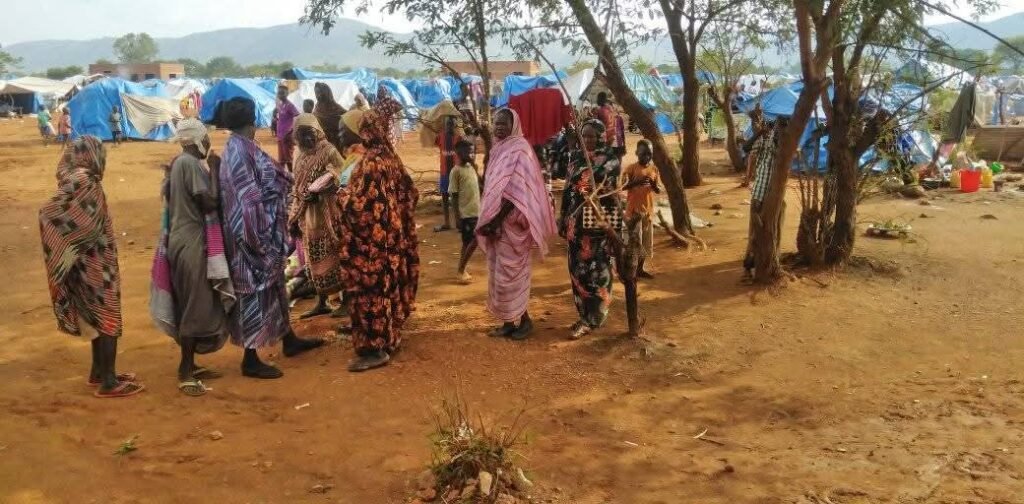
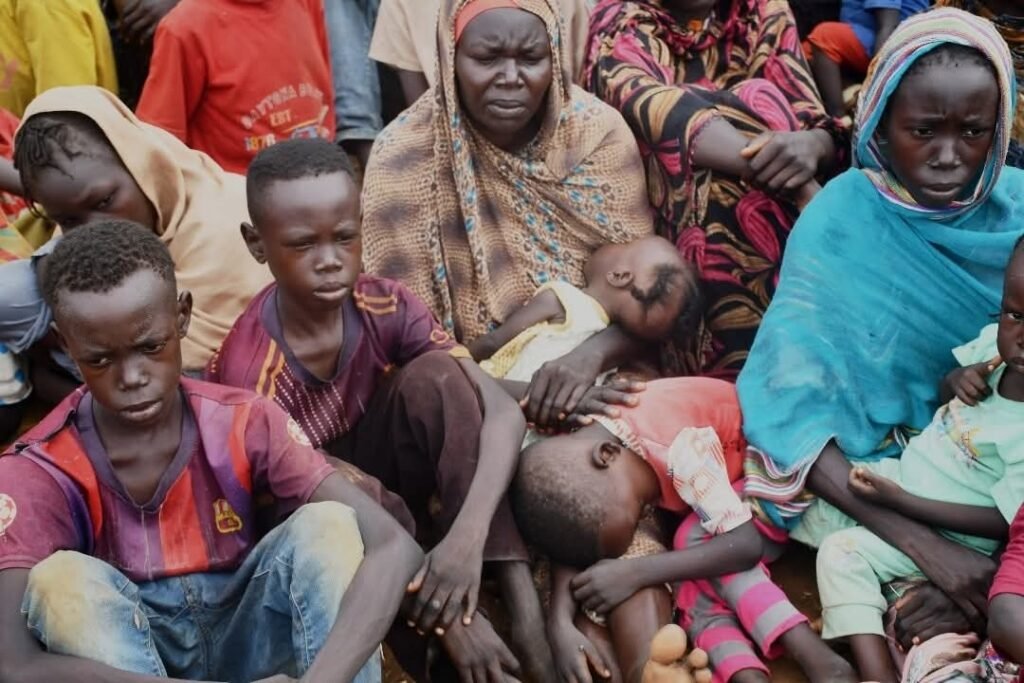
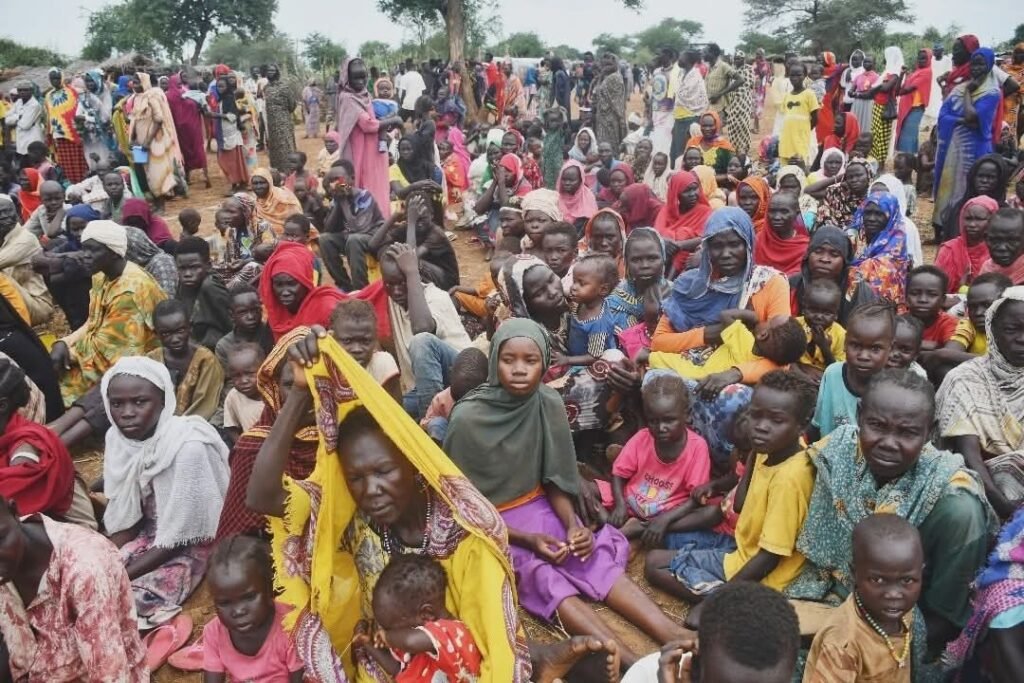
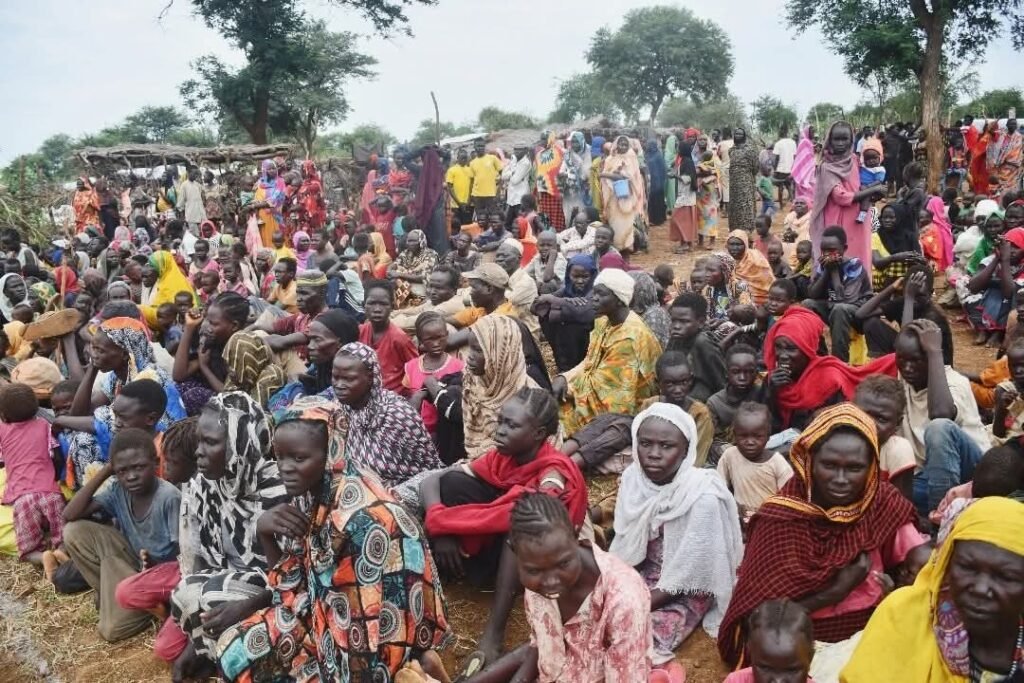
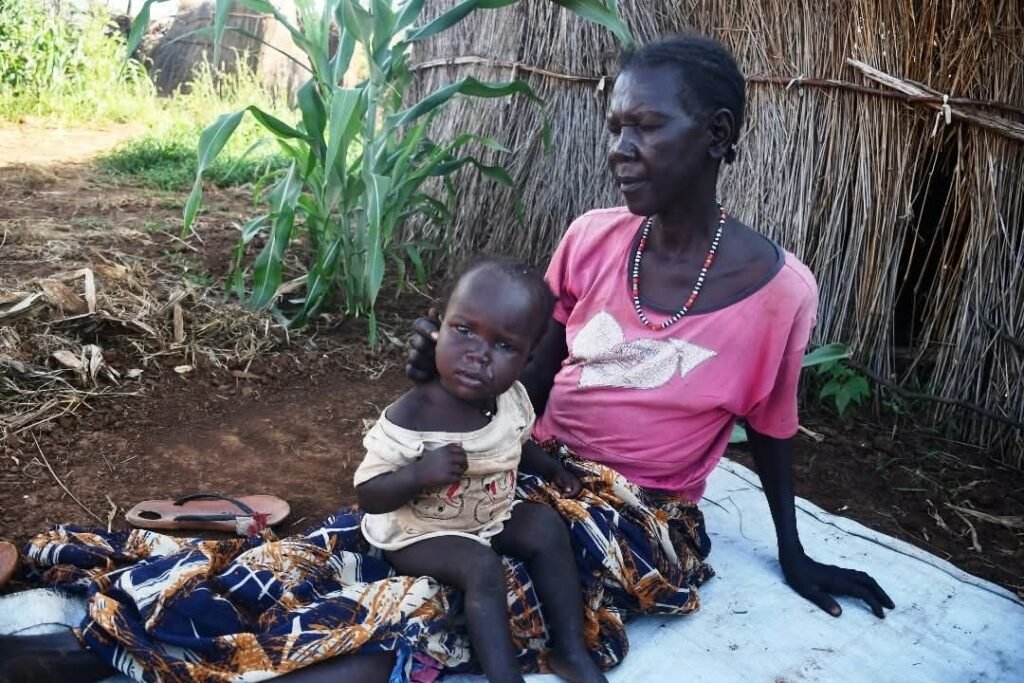
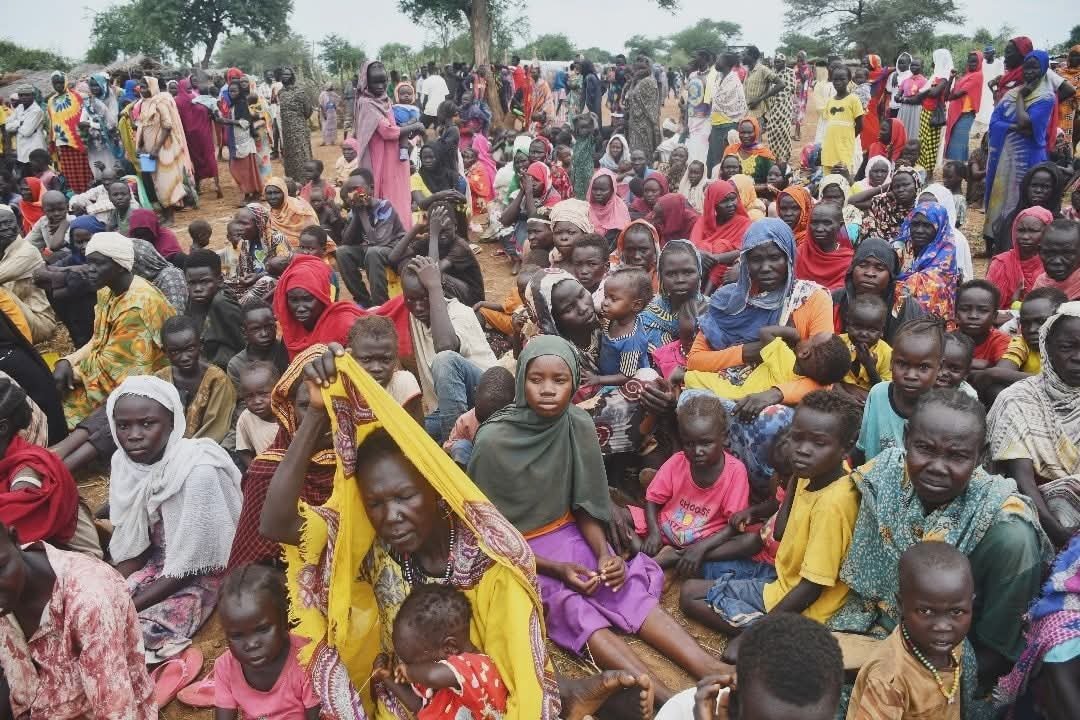
The Biali Refugee Camp is located in Kryandungo District, north of Kampala, the capital city, at a distance of 225 kilometers. The number of registered Sudanese refugees in the Biali Camp is 102,000. The number of families currently residing in the camp does not exceed 25,000, distributed across 13 blocks.
The camp has 5 schools, one hospital (Bandoli), and one clinic in Block G. There are 2 artesian wells distributing water to distribution points in the blocks, and 4 hand pumps. Organizations operating in the camp include the UN, WFP, Lwf, RLP, NRC, IRC, R crose, Windle, and FCA. A committee of volunteers within the camp assists in distributing aid from donors and managing local initiatives.
● Key problems in Kryandungwa camp for Sudanese refugees in Uganda:
Proposed solutions:
1- Support the communal kitchens to ensure their continued operation in cooking and distributing food to the refugees. 2- Distributing monthly food baskets containing oil, flour, rice, soap, powdered milk, lentils, and fava beans. Distribution should prioritize newly arrived families, including elderly individuals, children in large families, widows, and orphans.
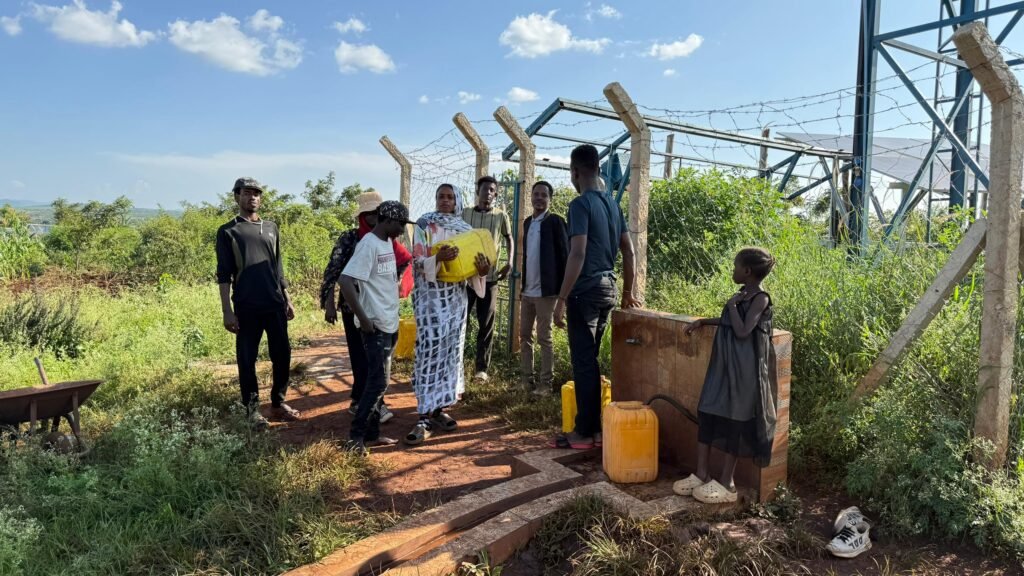
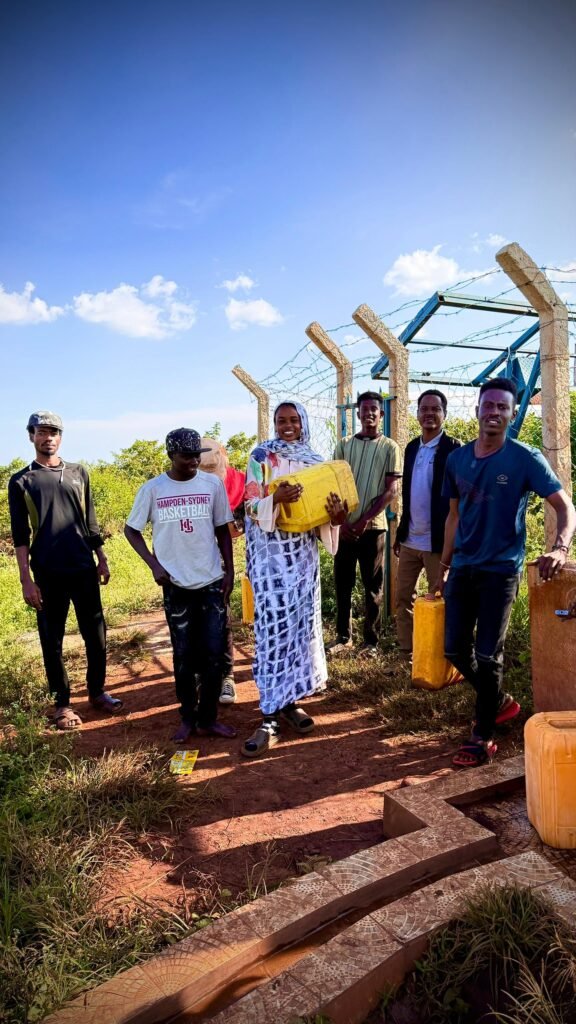
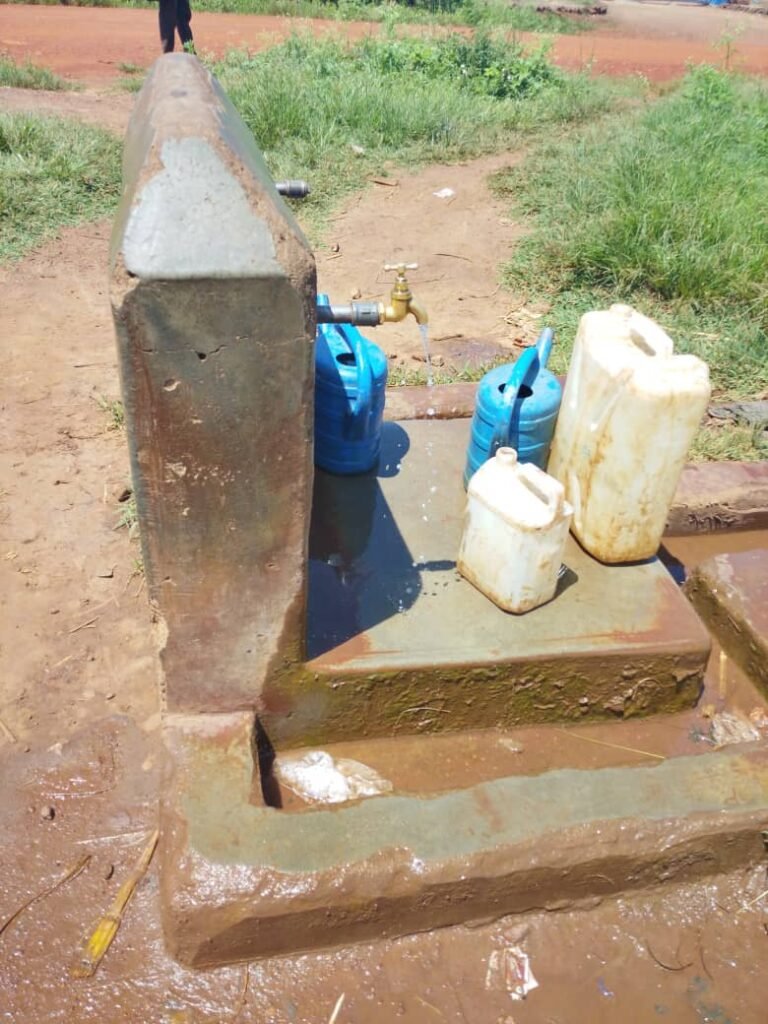
2/ Drinking Water: Clean drinking water is almost nonexistent in the camp, and refugees suffer from thirst for extended periods each week. There are (2) artesian wells and (6) hand pumps, but the pumps frequently break down. Refugees must transport water from a distance of (3) kilometers, and bottled water is expensive. Refugees also need hygienic containers for transporting water.
1- Drilling (12) hand pumps in different clusters.
2- Drilling an artesian well in each cluster, with a water distribution point in each well area.
3- Distributing components for small, hand-operated home water purification systems to improve water quality and reduce the risk of waterborne diseases. 4- Distributing a number of plastic jerrycans for transporting and storing drinking water in homes, and plastic barrels for storing water for household purposes, cooking, and bathing.
3/ Health and Treatment:
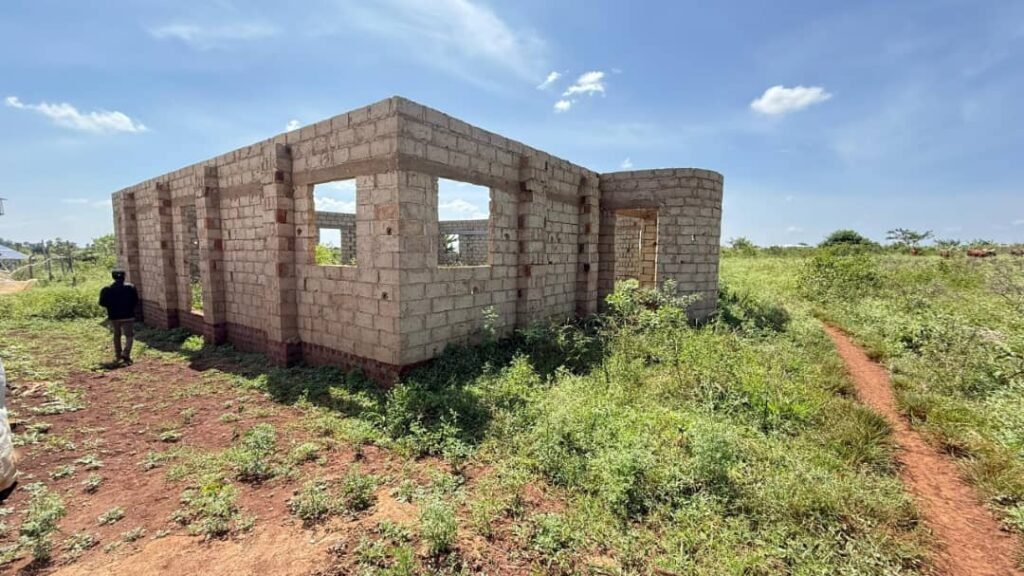
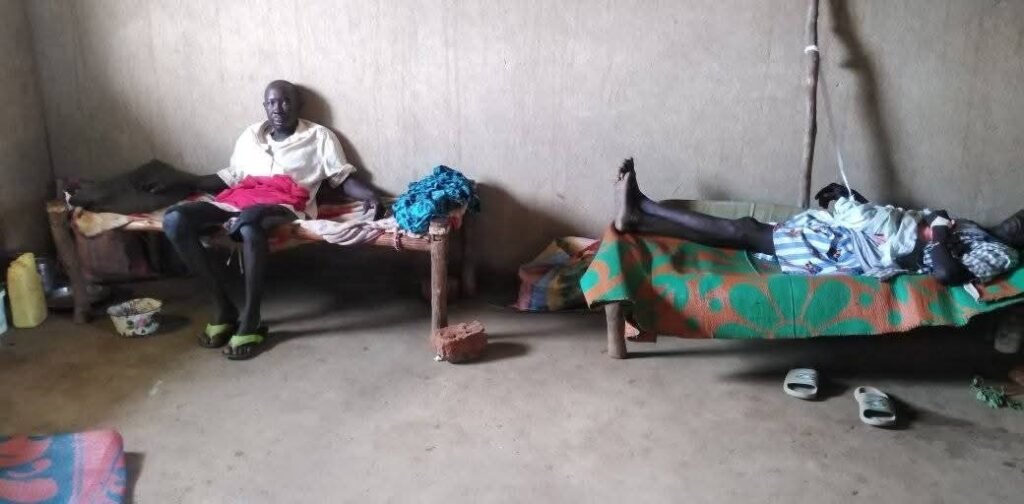
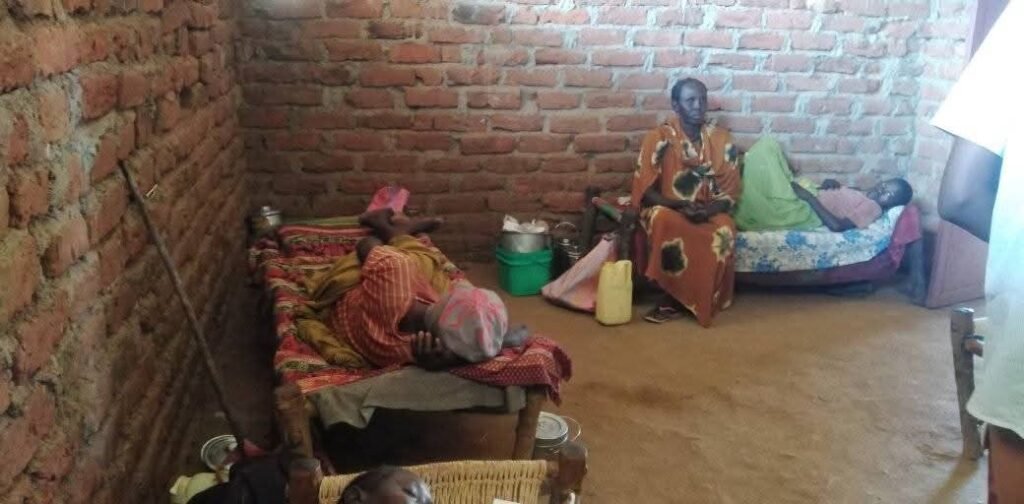
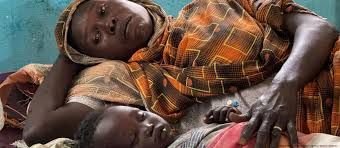
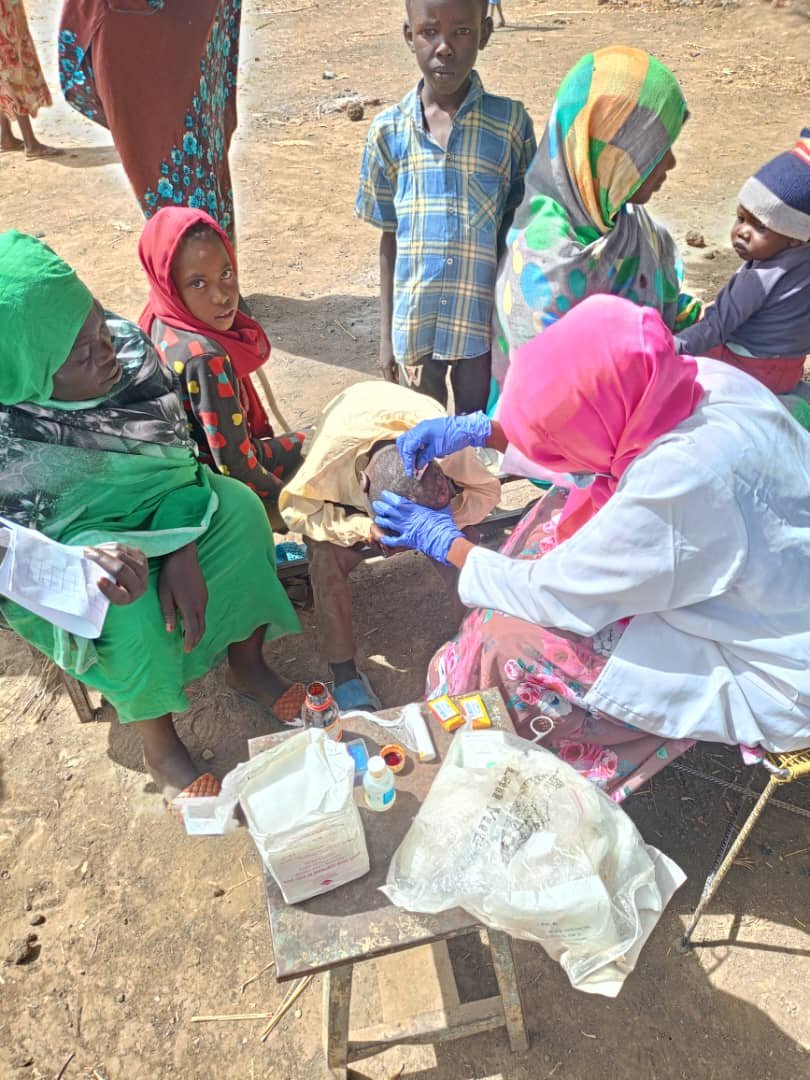
The camp has one hospital that receives more than 250 patients daily. It suffers from a limited number of beds, and critical illnesses are transferred by the UNHCR to the main hospital in Kampala, Mulago.
The hospital has only one ambulance, and there are no ambulances available to transport patients from the clusters to the hospital. There is also insufficient care for mothers, pregnant women, and nursing mothers.
Solutions:
1- Establishing a clinic in the center of the camps with a doctor, a laboratory, a prenatal and nursing room, and a free pharmacy.
2- Providing an ambulance to transport emergency and critical cases.
3- Training volunteers in first aid and utilizing the existing medical staff in the camp.
4/ Lack of Job Opportunities:
There are no job opportunities for young people, families, or parents to support their families and provide basic necessities. Children’s needs are met, as the United Nations provides 28,000 Ugandan shillings per family, a meager sum. This forces parents to work extra jobs to supplement the family income. Families are also denied a plot of agricultural land to meet their needs and cultivate crops.
Proposed Solutions:
1- Employing young people and experienced individuals to work in the newly established health unit.
2- Providing funding for land cultivation within the camp for those willing to purchase agricultural equipment, seeds, sacks, pesticides, a tractor for land leveling, and agricultural extension services.
3- Distributing sheep and goats for grazing and providing veterinary care to increase family income and produce milk for establishing herds and achieving food security.
5/ Children’s Education:
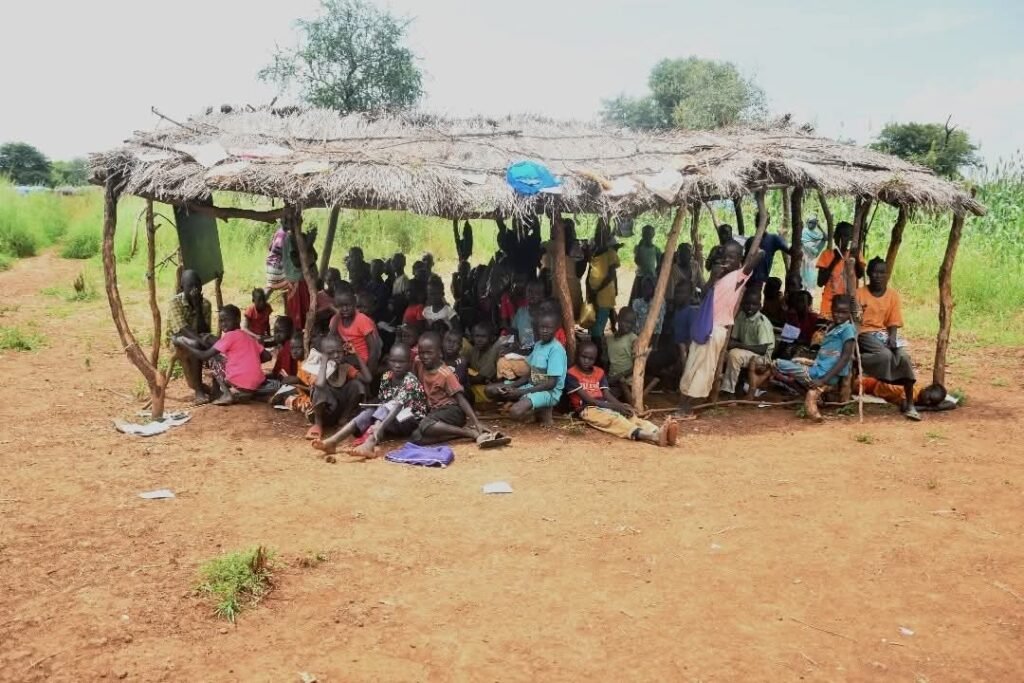
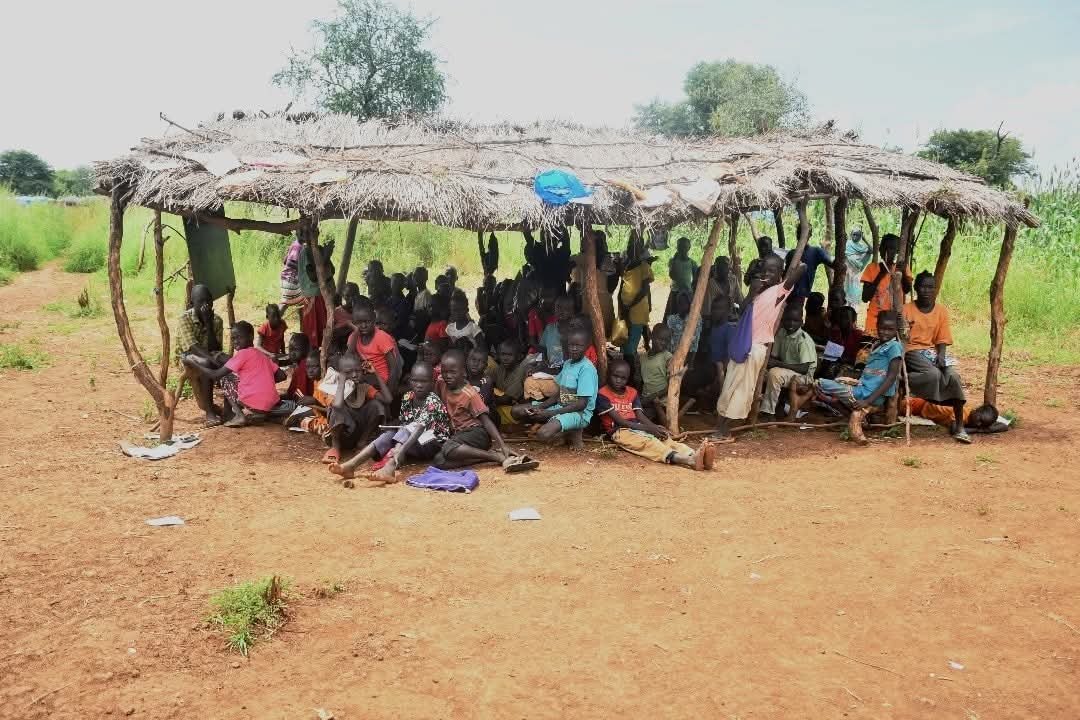
Children’s education presents a significant challenge. There are (5) schools with approximately (6,500) students and (67) teachers. These schools suffer from a lack of seating for students, a shortage of stationery, school bags, notebooks, and qualified teachers.
Suggested Solutions:
1- Distribute school bags and educational materials to students.
2- Provide schools with educational resources.
3- Distribute school uniforms, school attire, and shoes.
4- Train teachers and qualify supervisors.
5- Provide school meals for students and teachers.
Exclusive Report: Humanitarian and Health Crisis Unfolds in the Nuba Mountains – Displaced Fleeing Kadugli Hunger Overwhelm Unbung County
Unbung (Inbung), South Kordofan/Nuba Mountains – Exclusive Report for SCOPE.
The humanitarian and health crisis in South Kordofan State (Nuba Mountains) is escalating due to the relentless influx of large numbers of internally displaced persons (IDPs) from the city of Kadugli. They are fleeing the severity of hunger, lack of food supplies, and the absence of humanitarian and relief aid in recent weeks.
Immense Pressure on Collapsing Health Services
Unbung County is currently experiencing significant and unprecedented health challenges caused by the massive arrival of displaced populations. This influx has placed immense pressure on the scant and already dilapidated health and service facilities, which have been suffering from neglect and shortages as a result of the ongoing conflict in the region from 2011 until today.
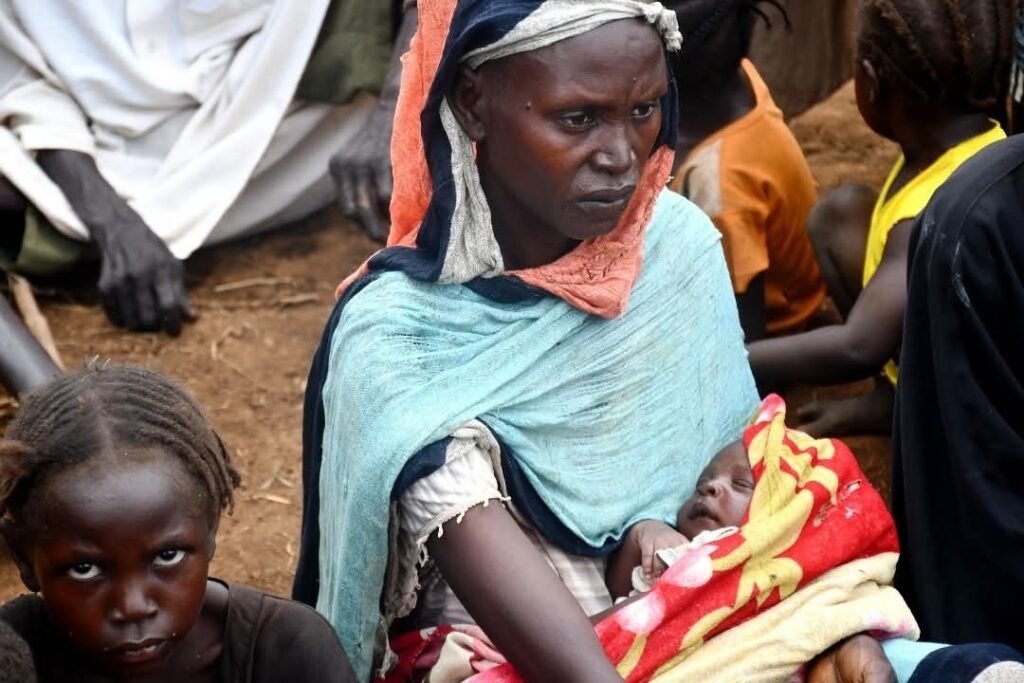
In a recent example of these movements, 87 displaced individuals arrived last Tuesday from Kadugli to the “Inbil” camp in Bayam Andulu, located within areas controlled by the Sudan People’s Liberation Movement-North (SPLM-N) in South Kordofan State. The majority of the newcomers are women and children, arriving in critical health conditions, severely malnourished and emaciated.
Security Harassment Pursues Those Fleeing Hunger
The newly displaced revealed severe obstacles and harassment imposed by security agencies in Kadugli, aimed at preventing citizens from leaving the city to escape starvation. Several recent arrivals from Kadugli mentioned that the police forces there prevent citizens from leaving the city and seeking refuge in IDP camps located within SPLM-N controlled areas.
In a distressing testimony, one displaced woman stated that leaving the city is possible only by infiltrating at night through forests and ravines, highlighting the significant risks faced by those fleeing hunger during their journey.
Unbung: High Population Density and a Critical Humanitarian Crisis
Unbung County, formerly known as Um Doreen Locality, is one of the most densely populated counties in the Nuba Mountains region, with its population exceeding 200,000 in the last census conducted in 2009.
The county has recently witnessed substantial population movements as a direct consequence of the war that erupted on April 15, 2023. This reality has created critical humanitarian conditions, especially for those fleeing Kadugli city and the rural localities of East Rural, Talodi, and other areas. This displacement has created tremendous strain on the already limited health and medical services.
Limited Government Efforts and the Lack of Health Facilities
Despite limited resources, financial constraints, and insufficient humanitarian support, the regional government has fulfilled its duties and responsibilities in providing humanitarian aid to all citizens and IDPs without discrimination. The Sudanese Relief and Reconstruction Agency (SRRA), the governmental humanitarian body, is active in making great efforts to receive IDPs and organize camps and shelter areas within government facilities such as schools.
These governmental efforts, alongside humanitarian relief provided by national organizations and UN agencies operating in these areas, have led to a relative improvement in the health status of those fleeing hunger from Kadugli, who often arrive in a critical state with children suffering from severe malnutrition and emaciation.
Regarding infrastructure, health and medical services are provided to the displaced and resident citizens across the five Bayams of Unbung County through one hospital, six health centers, and twenty-nine clinical units. The county hosts three IDP camps: “Aqiri” in Bayam Gorban (10,525 IDPs), “Inbil” in Bayam Andulu (3,000 families), in addition to Bayam Souq Andulu.
Cholera: The Biggest Health Concern
The humanitarian and health conditions inside the IDP camps remain dire, with residents suffering from an acute shortage of food and medicine, especially shelter materials amidst heavy rainfall.
The county is struggling with the spread of cholera. Although the number of registered infections has recently decreased (at a rate of 3-5 cases weekly, according to reports from competent authorities and the anti-cholera committee), the persistence of the epidemic poses a significant threat.
Challenges in Health Service and Delayed Incentives
The main challenges facing Unbung County in the health services sector include:
Overcrowding of Facilities: A large number of artisanal mining workers, coupled with the high volume of recently arrived and already existing IDPs, is placing enormous pressure on health facilities.
Shortage of Staff and Space: Health facilities suffer from a severe shortage of medical personnel (doctors, auxiliary staff, and laborers), inadequate space for isolation wards, staff residences, and office space relative to the large number of beneficiaries.
Poor Isolation Infrastructure: There are few cholera isolation wards, a lack of beds, no designated rest areas for patient escorts, and an insufficient number of toilets, especially for those infected with cholera.
Several health workers and assistants noted that the elevated mortality rate among cholera patients is partly due to the lack of means to evacuate the sick from villages to health centers, especially during the heavy rains of the autumn season. Additionally, both workers and volunteers complained about the weakness and frequent delay of incentives provided by organizations contributing to health services provision.
Given this situation and the continuous flow of those fleeing hunger in Kadugli, the sustained pressure on health facilities remains the biggest concern for the county’s government. Moreover, the continued spread of the cholera epidemic, particularly among the displaced and those working in artisanal mines, requires the implementation of strict health controls and close monitoring.
Some activists and volunteers in environmental sanitation believe it is essential to intensify health awareness and establish quarantine centers along the routes used by those entering government-controlled areas to ensure their health safety for a period of no less than five days. Medical staff observers note that cholera infection is predominantly transmitted by those arriving from Kadugli, due to their weakened physical condition and immunity, making women and children the most affected groups.
Cholera in NubaMountains situation
The total number of recorded cases from all line lists is 2,454 confirmed cases with 55 deaths, alongside 4,337 suspected cases from the community level with 78 deaths, bringing the total to 6,791 cases and 133 deaths. Updates from field reports and partner submissions:
September 15, 2025: YMCA Heiban reported an urgent situation at Dleir IDP camp, with 24 cases and 7 deaths before patients reached Gidel Hospital. YMCA has started digging 2 latrines and requests urgent support to dig additional latrines and provide soap for hygiene. Follow-up is ongoing at the Heiban clinic. Appreciation to YMCA for their swift response.
September 15, 2025: Western Jabel, Alsonut Update Cholera cases have increased this week in Western Jabel, Alsonut County, specifically in the payams of Kasha and Shefer:
Kasha Payam (Umjamana PHCC): 12 cases (3 females, 5 males) with 4 deaths reported. No line lists have been submitted for these cases to date.
On September 15, 2025, Samaritan’s Purse reported 35 new cases (16 males, 19 females) and 2 deaths from Tobo and Western Kadugli counties. Affected payams include Daloka, Tuna, Dabakaya, Kurungu, Damam, Tumma, Kafina, and Katcha villages. Two deaths were specifically reported from Tuma and Kafina communities.
On September 15, 2025: Samaritan’s Purse reported 2 male cases from Western Jabel (Katla Hospital), originating from Dilling County, Katla Payam and surrounding villages.
On September 15, 2025: Tujur Hospital reported 9 new cases (5 males, 4 females) from Heiban and Dellami counties, affecting Alzarq and Nyukur villages.
On September 17, 2025: MMH Hospital reported 10 new cholera cases (7 females, 3 males), all from Heiban County, specifically from Heiban and Kumbor villages. No deaths were recorded.
On September 17, 2025: MMH ORP reported 12 new cases (7 males, 5 females), all from Heiban County. Affected payams included Heiban (11 cases) and Alaraq (1 case), with no deaths reported.
On September, 18 2025: community cholera cases in Western Jebel, Alsunoot County, reached 296 cases from 13 September to date, with 68 deaths reported by county authorities (Executive Director and Commissioners). Please keep the updates coming. Thank you for your ongoing efforts and timely contributions.
The flow of displaced persons from Kadugli to the liberated areas of South Kordofan
The flow of citizens continues daily to the Tobo district in the Nuba Mountains region, where women and children make up the vast majority of those fleeing from the city of Kadugli due to the man-made famine imposed by the state authorities
SCOPE Organization for Relief, Rehabilitation and Development
Rape as a Weapon of War in Sudan
Sudanese Organizations Call for Accountability of the Sudanese Army and Protection of Women and Girls
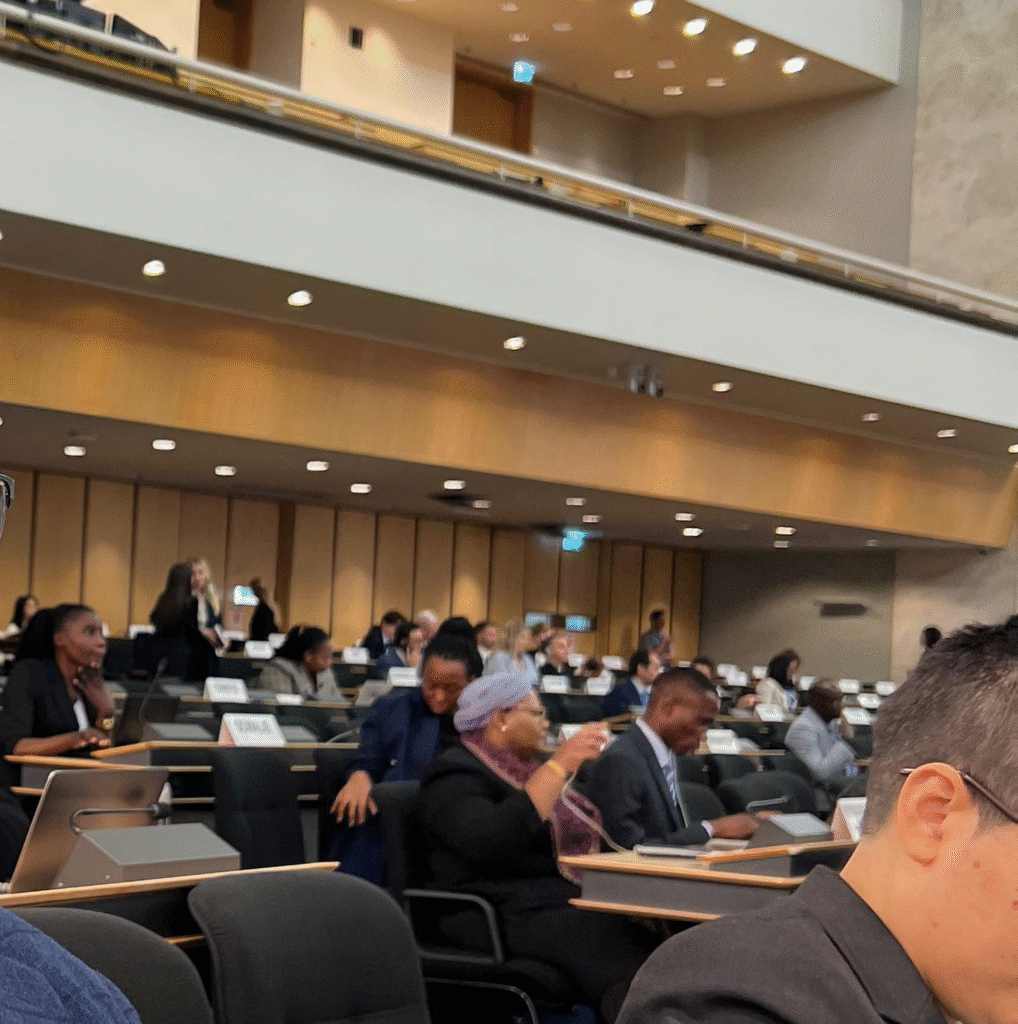
Geneva / Human Rights Council / 60th Session
Sudanese and international human rights organizations, during their participation in the 60th session of the United Nations Human Rights Council, warned that Sudan is witnessing one of the most serious human rights and humanitarian crises in contemporary history, as the Sudanese Armed Forces and allied militias are systematically using rape and sexual violence as a weapon of war against women and girls. They emphasized that these crimes amount to crimes against humanity and pose a direct threat to international peace and security.
This came during the 60th session of the Human Rights Council, where the Federation of Sudanese Human Rights Centers, the Union of Sudanese Human Rights Organizations, the Save Civilians Coalition in Sudan, the Al-Fajr Organization for Peace, Development and Justice, and international organizations with consultative status at the United Nations issued an international statement on the general debate held by the Human Rights Council to discuss the review and report of the High Commissioner for Human Rights on the situation of human rights in the world. The statement expressed concern about the decline in states’ commitments to promoting respect for human rights and fulfilling their international obligations under international human rights law and international humanitarian law.
A systematic pattern of crimes
The human rights statement submitted to the Human Rights Council made clear that what is happening in Sudan cannot be viewed as individual incidents or isolated violations, but rather as an organized policy aimed at spreading terror and dismantling local communities through the use of sexual violence. Documented reports confirmed that the Sudanese army and allied militias committed crimes of gang rape, sexual torture, and sexual slavery, in addition to assaulting minors and forcibly impregnating them, in several areas, most notably Darfur, El Geneina, El Fasher, and parts of Khartoum.
The statement added that women are often raped in front of their children and family members, in a spectacle aimed at destroying social and psychological bonds within society. Local and international organizations documented shocking testimonies of organized rapes carried out under the supervision or with the direct complicity of military leaders, proving that these crimes are part of a systematic strategy.
Special Targeting of Women and Girls
The statement indicated that underage girls have become prime targets of violence, having been abducted from schools and homes and turned into “spoils of war.” Numerous reports also documented cases of forced marriage and the detention of women in military sites, where they were subjected to the most horrific forms of sexual exploitation.
The human rights organizations emphasized that the targeting was not limited to ordinary women, but also extended to female activists and human rights defenders, who were subjected to arbitrary arrest and torture, along with smear campaigns and incitement through media outlets and online platforms loyal to the Sudanese military.
A blatant violation of international law
The statement emphasized that these practices constitute a flagrant violation of a number of international agreements that must be respected and adhered to, such as the Convention on the Elimination of All Forms of Discrimination against Women (CEDAW), the Convention on the Rights of the Child, the International Covenant on Civil and Political Rights, the Geneva Conventions, and international humanitarian law.
According to the statement, these violations also constitute a violation of the Sudanese constitution itself, which stipulates equality and dignity for all citizens without discrimination. The organizations emphasized that what is happening also contravenes Security Council resolutions, particularly Resolution 1325 on Women, Peace, and Security.
International Silence is Complicity
In their written statement, the human rights organizations criticized what they described as “international complicity and silence,” noting that the lack of a decisive response from the international community contributes to encouraging perpetrators of crimes to continue. The statement added that the continuation of these practices without accountability sends a dangerous message that the bodies of women and girls can be used as a battlefield with impunity.
Urgent Calls for Action and Accountability
Human rights organizations called on the Human Rights Council to clearly and explicitly condemn these crimes, include them in the mandate of the International Commission of Inquiry on Sudan, and establish a specialized mechanism to monitor and document gender-based violations.
They also called on the Office of the High Commissioner for Human Rights to document these violations in its official reports, and called on the Committee on the Elimination of Discrimination against Women (CEDAW) to activate early warning mechanisms and take urgent action.
The statement emphasized that the international community is required to impose individual sanctions on military leaders and militias involved in these crimes, as well as to support Sudanese civil society organizations working to provide medical, psychological, and legal care to survivors and ensure witness protection.
The Need for Safe Humanitarian Corridors
The statement concluded by emphasizing the need to establish safe humanitarian corridors that allow victims to access protection and care without fear of retaliation or social stigma. He explained that the increasing number of victims and displaced persons makes the Sudanese crisis one of the greatest humanitarian tragedies in modern history.
He warned that the lack of accountability will prolong the conflict and encourage its perpetrators to continue committing their crimes. He concluded by saying, “It is time to turn words into action, before rape as a weapon of war leaves its devastating mark on Sudan’s future, irreversibly.”
Federation of Sudanese Human Rights Organizations
International Statement Accuses Sudanese Army of Using Racial Discrimination as a Weapon of War
Geneva, September 2025 During the 60th session of the United Nations Human Rights Council, the Federation of Sudanese Human Rights Centers, the Union of Sudanese Human Rights Organizations, and the Save Civilians in Sudan Coalition issued an international statement related to the interactive debate held by the Human Rights Council following the review of the report of the International Commission of Inquiry. In it, they expressed concern about the Sudanese army and its allied militias’ systematic use of racial discrimination as a weapon of war. The international statement, issued following the interactive debate attended by members of the Commission of Inquiry, indicated that this policy was behind a series of atrocities in Wad Madani, Al-Jazirah State, and Darfur, making it one of the most serious human rights catastrophes in the contemporary world. Deliberate Targeting of Specific Communities The statement explained that since the Sudanese army took control of Wad Madani in December 2023, widespread violations have been documented that deliberately targeted civilians from Darfur, the Nuba Mountains, and Blue Nile. The coalition affirmed in its statement that these violations included arbitrary arrests, denial of humanitarian aid, restrictions on freedom of movement, and incitement and hate speech through pro-military media. The statement added that these practices are not random acts, but rather a systematic policy aimed at humiliating specific groups and excluding them from the national fabric A Recurring Pattern of Ethnic Cleansing The statement also noted that what happened in Al-Jazeera State reflects a recurring pattern of ethnic cleansing in Darfur, particularly in El Geneina, Zalingei, and Kutum. It emphasized that these violations included massacres, rape, and starvation targeting specific ethnic groups. In their statement, the organizations noted that the Sudanese army, whether through its direct actions or through its complicity, is entrenching an exclusionary reality that threatens Sudan’s unity and undermines the prospects for peace and reconciliation.
Blatant Violations of the Law The statement indicated that these practices constitute a clear violation of international agreements, such as the International Convention on the Elimination of All Forms of Racial Discrimination and the International Covenant on Civil and Political Rights, as well as international humanitarian law. It also noted that they constitute a violation of the Sudanese Constitution, which stipulates equality and dignity for all citizens without discrimination.
Calls for Accountability and Action In a related context, the human rights organizations emphasized in their statement the need for the Human Rights Council to explicitly condemn these practices and ensure that they are included in the mandate of the international fact-finding mission on Sudan. It also stressed the importance of the Office of the High Commissioner for Human Rights documenting these violations in its official reports, calling on the Committee on the Elimination of Racial Discrimination (CERD) to activate early warning mechanisms and take urgent action. The organization added that the international community is required to impose individual sanctions on those responsible for these crimes and provide support to Sudanese civil society organizations working to document violations and protect survivors and witnesses.
Discrimination as a Weapon of War The statement noted that racial discrimination in Sudan is no longer merely a social or political legacy, but has rather become a repressive tool used by the military leadership in Port Sudan to control cities and suppress civilians. Human rights organizations warned that international silence on these practices constitutes a form of complicity, affirming that the Human Rights Council bears a moral and legal responsibility to take urgent action to ensure justice for the victims. A Worsening Humanitarian Tragedy The statement concluded by emphasizing that the increasing number of victims and displaced persons makes the Sudanese crisis one of the greatest humanitarian tragedies in modern history. It explained that the lack of accountability will prolong the conflict and encourage its perpetrators to continue their crimes. The organization concluded by saying that the time has come to turn words into action, before racial discrimination and war leave their devastating mark on Sudan’s future, irreversibly.
Empowering Lives
Scope Organization focuses on providing education, healthcare, and aid to displaced individuals in Sudan, striving for lasting relief and development.
Empowering Communities Together
We support displaced communities through education, healthcare, and relief efforts.
Our team delivers essential medical care to those in need across Sudan.
We provide vital relief services to displaced families during crises.
Empowering Communities
Education Initiatives
We provide educational resources and support to displaced individuals, ensuring access to quality learning opportunities that foster growth and resilience in challenging environments.
Health and Relief
Our organization offers essential healthcare services and relief supplies to those in need, aiming to improve the well-being of vulnerable populations affected by crises.
Community Development
We focus on sustainable development projects that empower communities, helping them rebuild and thrive through collaborative efforts and resource sharing.
Support Our Mission
Join us in providing education, healthcare, and relief to displaced communities in Sudan. Your help makes a difference.